Most of us have experienced trauma in one form or another. A trauma is any emotional or physical response to one or more harmful or life-threatening events or circumstances. Trauma isn’t so much what happened as it is how it affects us.
The word trauma comes from the ancient Greek word for wound. Today, we use it to refer not just to physical injuries, but to emotional ones as well.
There is Trauma with a capital T, such as severe abuse, being a victim of crime, rape, or war. Then there are the repetitive ‘small’ traumas that can add up to have a long-lasting effect.
Minor traumas happen when a child is ignored, left on their own, not respected, or not able to emotionally connect with their caregivers–often because the caregivers themselves have been traumatized and have shut down their own emotions.
Trauma can also be caused by interpersonal conflict, divorce, relocation, financial issues, and health issues.
And even if we’re not directly involved, watching current world events unfold that are causing harm and human suffering can affect our mental health.
Dr. Gabor Mate tells us that “Trauma is an invisible force that shapes our lives. It shapes the way we live, the way we love, and the way we make sense of the world. It is the root of our deepest wounds.”
Trauma lives in the body, and our challenge is to change our response to it, give it the space to rise to the surface, acknowledge it, and allow it to be released. To this, we need to learn to relax.
But it’s difficult to relax when the brain tells us it’s dangerous to relax; due to our conditioning, we’re constantly on alert for something unexpected to happen. And when we’re tense, we tend to ‘hold’ our breath. We live in our ‘heads,’ cut off from the many bodily sensations that are constantly occurring, sending us messages.
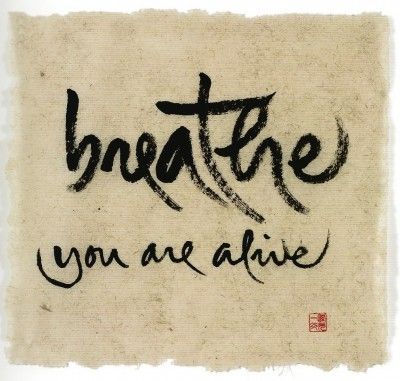
We can change this response, and mindful breathing is one way of doing so. Slowly, day after day, week after week, month after month, and year after year, the breath can soften the pain and bring about a mind-body transformation. The way we breathe directly affects the central nervous system.
We need to practice relaxing into feeling the ever-present movements of our spine, our body, our breath. Then we can access the deep, hidden emotions that keep us trapped in our past.
When we notice the breath and begin to let it flow through the whole body, it can loosen resistance and allow us to access not only repressed emotions, but the healing power of our true nature, which is hidden below and behind the constant ‘holding’.
When we can relax, our creativity can shine forth. We receive insights and new ideas, which bubble up from our deepest, wisest mind.
These are some of the Buddha’s instructions on meditation:
- Begin by observing the breath in the front of the body.
- Remain aware as you breathe in.
- Remain aware as you breathe out.
- Notice if the breath is long or short.
- As you breathe in, breathe in through the whole body.
- As you breathe out, breathe out through the whole body.
Let your attention move to wherever the breath moves.
Notice the way your body is in a constant state of subtle motion, responding to each breath
Take it slow. Emotions can and will come up. I’ve been meditating for more than 30 years and I often feel emotional during meditation. When emotions arise, remember to be a compassionate witness and acknowledge your courage in allowing yourself to feel. Return to the breath and if necessary, open your eyes and come back to the external world around you.
Only do as much as you feel able. Soon, you’ll start to enjoy the peace that will come.
Afterward, jot down anything that you noticed. This way, you’ll keep a diary of any insights that you gain.
Thich Nhat Hanh