
Outer Beauty, Inner Joy
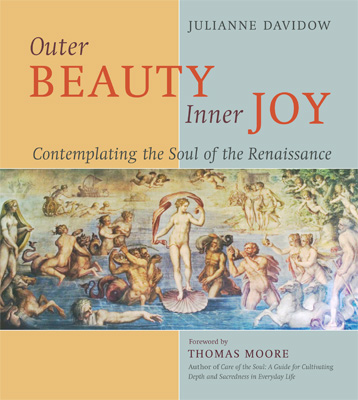
Outer Beauty, Inner Joy: Contemplating the Soul of the Renaissance
Preface
The first time I came to Italy, I arrived in Venice on a sunny September day and stepped out of the train station into another world. The usual street vendors were displaying their wares, and swarms of tourists surged along the streets and in the squares. But this scene from daily life was unfolding against a backdrop of sparkling waterways and buildings of unbelievable beauty. The art and architecture of the place leaped out at me. I screened out the tourists and began to absorb the ancient vibrations of the city.
So began my Italian ‘second life.’ I found myself returning to Italy again and again, with shorter periods between trips. The continued exposure to the ancient sights impressed themselves in my mind, working a kind of slow alchemy, drawing me deeper into the contemplation of their forms and essence.
Eventually I began to delve into the writings of the Renaissance, for it was primarily the work of this period that compelled me. Perhaps I was inspired by the courage of the artists who broke from dogma, and in returning to the study of the past, found a new freedom of expression. They studied the wisdom of ancient esoteric traditions that said love and beauty could be a route to divine insights. They wanted to act as a conduit for the all-originating Source they believed in, to bring an immaterial substance into form. Thomas Moore, in his Care of the Soul, speaks of the Renaissance artists, theologians, and merchants who “cultivated a concrete world full of soul. The beauty of Renaissance art is inseparable from the soul-affirming quality that tutored it.”
I realized that in order to fully appreciate the work of Renaissance artists, it would be important to enter into the essential impulse that inspired their creations. And I also realized that through viewing these works, it would be possible to become transformed by them. The artists brought the qualities of harmony, proportion, order, and a unique beauty or grace into their productions.
What new essence can seeing and absorbing the energy from these old creations bring to an individual’s life? I think it’s possible to find, in the Italian Renaissance writings and art, a way to initiate a Renaissance in one’s own life.
In making Outer Beauty, Inner Joy I was following my inner driving force, or daemon, as Plato called it. Working with these words and images helped connect me with the energy of the writers and artists presented here.
I hope this book will be a springboard for those wishing to explore more deeply the art and literature of this time and place, taking the best of what the Renaissance had to offer, and incorporating it into their own lives. The subject of the Italian Renaissance is vast, its story complex, and I am focusing here only on a few elements that have impressed themselves upon me. There are many more players in this story who have not been included. This book is simply a brief encapsulation of the way I’ve understood what I’ve been reading and discovering, but the depths of knowledge to be found in this subject continues for me without a visible end in sight.
These pages are only a dip into the Renaissance, one which may lead the reader to a longer and more profound immersion, and one that I think can be beneficial in reawakening a part of ourselves that may have grown dormant in the modern, technological world. I believe that the only way to deal with the immense problems we face today will be through recognizing the union of the material and spiritual worlds, cultivating tolerance for all great spiritual traditions, and deepening our connection to each other and to the planet.
Buy it now:


Praise for Outer Beauty, Inner Joy
“It’s time to move on and focus on those things we have neglected: art, beauty, and the union of humanism and religion. I would urge the reader to read the book carefully. think about the words you read and take time with the images. there is the possibility for new life here, for finding a way out of the dehumanizing philosophies that control our world.”
Author of Care of the Soul: A Guide for Cultivating Depth and Sacredness in Everyday Life
“In the Renaissance, art was intended to have both body, visual aesthetics, and soul, philosophical insight. too often modern art histories praise the body but ignore the soul. Julianne Davidow has resouled Renaissance art.”
Author of The Tarot: History, Symbolism, and Divination
“Outer Beauty, Inner Joy is in itself a work of art — a brilliant interweaving of quotes and original text, art and architecture, and some of the most beautiful photography of Italy’s treasures that I have ever seen.”
Co-author of The Sistine Secrets: Michelangelo's Hidden Messages in the Heart of the Vatican
“We need the Renaissance today as never before. After a century in which art has celebrated ugliness, we should assert our divine right to live and create with beauty. Beset by religious manias, we would do well to return to the generous syncretism of the Neoplatonists. Julianne Davidow’s book shows this dual path as plainly as can be, with images of beauty that feed the imagination and philosophic sayings that resonate in the intellect. Her commentaries bridge the centuries to make these Renaissance Italians our contemporaries and our guides to a saner way of being.”
Author of The Pagan Dream of the Renaissance
“A beautiful, exhilarating book that integrates the inspiration of Renaissance art with its philosophy.”
Author of The Dice Game of Shiva and Inner Christianity